
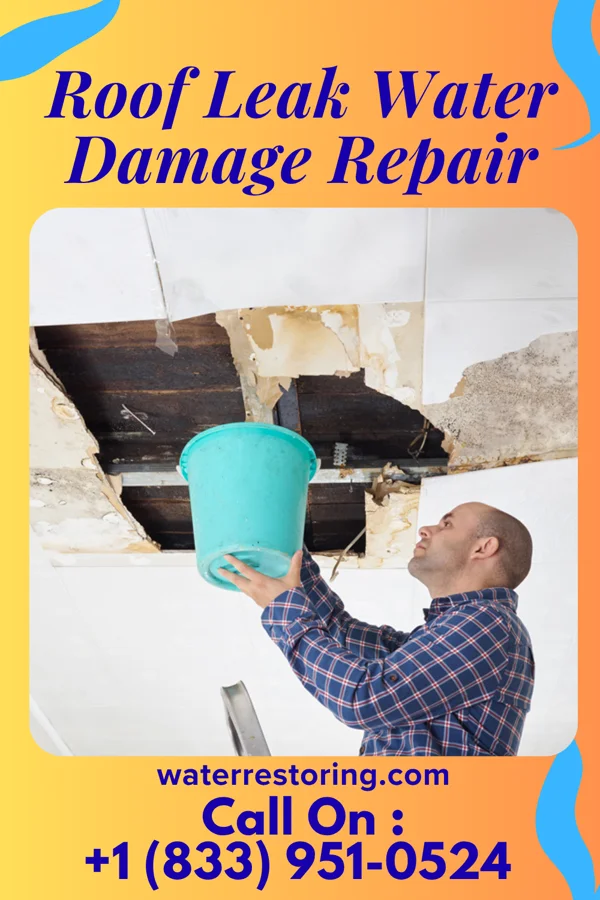
Shambaugh Storm Roof Leak Drivers
Water damage in Shambaugh tends to cluster in predictable windows because of the local climate. Shambaugh, Iowa experiences frequent thunderstorms during the spring and summer months, which can lead to sudden and heavy rainfall. These storms often bring strong winds that can damage roofing materials, increasing the risk of leaks. The region's unpredictable weather patterns mean that even a short-lived storm can cause significant water damage. A close second is In the fall, Shambaugh is prone to prolonged periods of rain, which can saturate the ground and weaken the foundation of homes. This can cause water to seep into the roof structure, leading to long-term damage. Winter snowmelt can also contribute to roof leaks, especially if the roof is not properly maintained..
Shambaugh's climate, characterized by sudden weather changes and heavy precipitation, leads to frequent roof leaks and water damage. The combination of high rainfall and aging infrastructure in rural areas makes it essential to address roof issues promptly to avoid costly repairs.
Shambaugh's climate, characterized by sudden weather changes and heavy precipitation, leads to frequent roof leaks and water damage. The combination of high rainfall and aging infrastructure in rural areas makes it essential to address roof issues promptly to avoid costly repairs. The dominant local driver is Shambaugh, Iowa experiences frequent thunderstorms during the spring and summer months, which can lead to sudden and heavy rainfall. These storms often bring strong winds that can damage roofing materials, increasing the risk of leaks. The region's unpredictable weather patterns mean that even a short-lived storm can cause significant water damage., with In the fall, Shambaugh is prone to prolonged periods of rain, which can saturate the ground and weaken the foundation of homes. This can cause water to seep into the roof structure, leading to long-term damage. Winter snowmelt can also contribute to roof leaks, especially if the roof is not properly maintained. showing up as the next most common cause. Damage builds in stages. Spread. Absorption. Microbial growth. Structural compromise. Every stage you pass through adds to the final bill.